More Than a Simple Way to Seal a Gap
Some of the biggest maintenance issues start with something as small as an unprotected gap. Dust enters electrical cabinets, lightweight products drift off conveyors, and moving doors leave openings that allow air, moisture, or debris to pass through. In many production environments, these problems are solved with a strip brush instead of a more complicated mechanical solution.
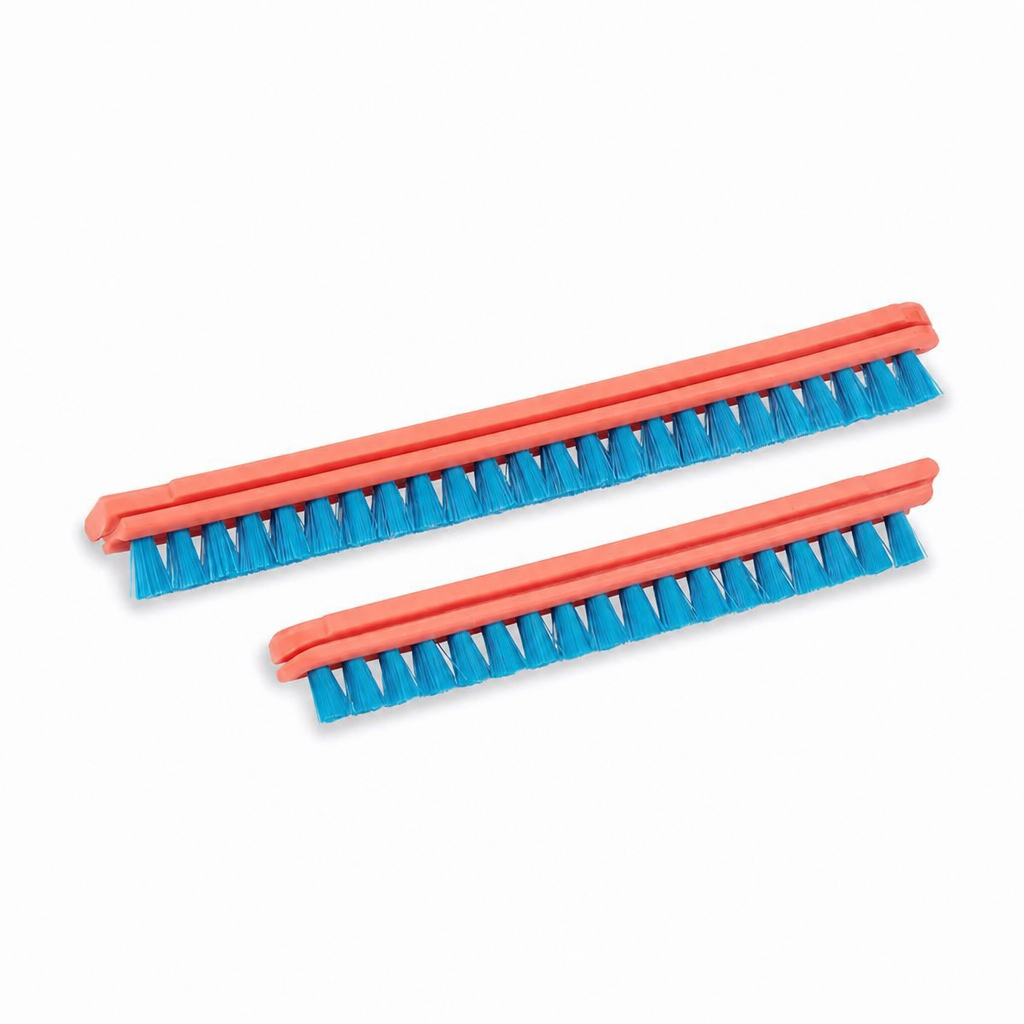
A Strip Brush combines flexibility with continuous contact, making it suitable for applications where rigid materials cannot perform effectively. It follows uneven surfaces, absorbs movement, and keeps working through repeated opening, closing, or sliding actions. That is why strip brushes are commonly fitted to machine guards, conveyor systems, industrial doors, packaging equipment, woodworking machinery, and automated production lines.
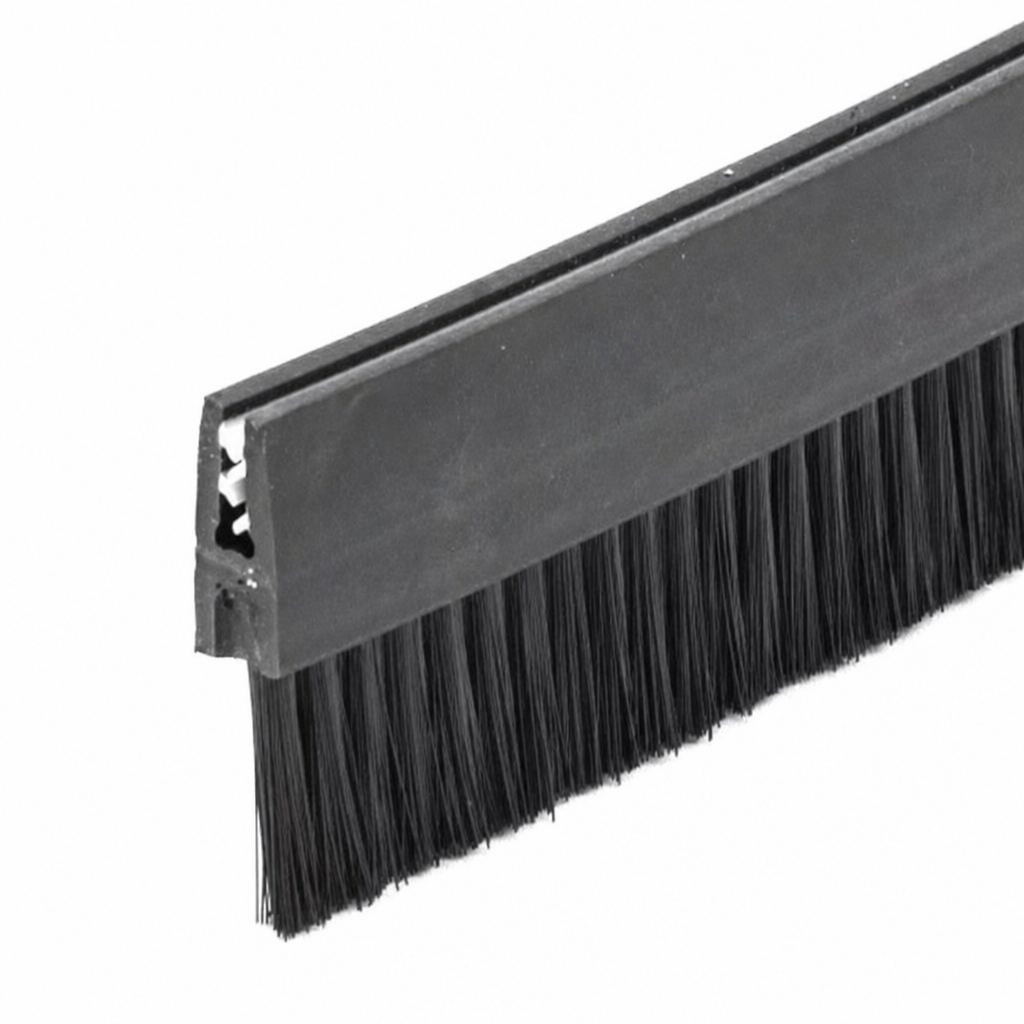
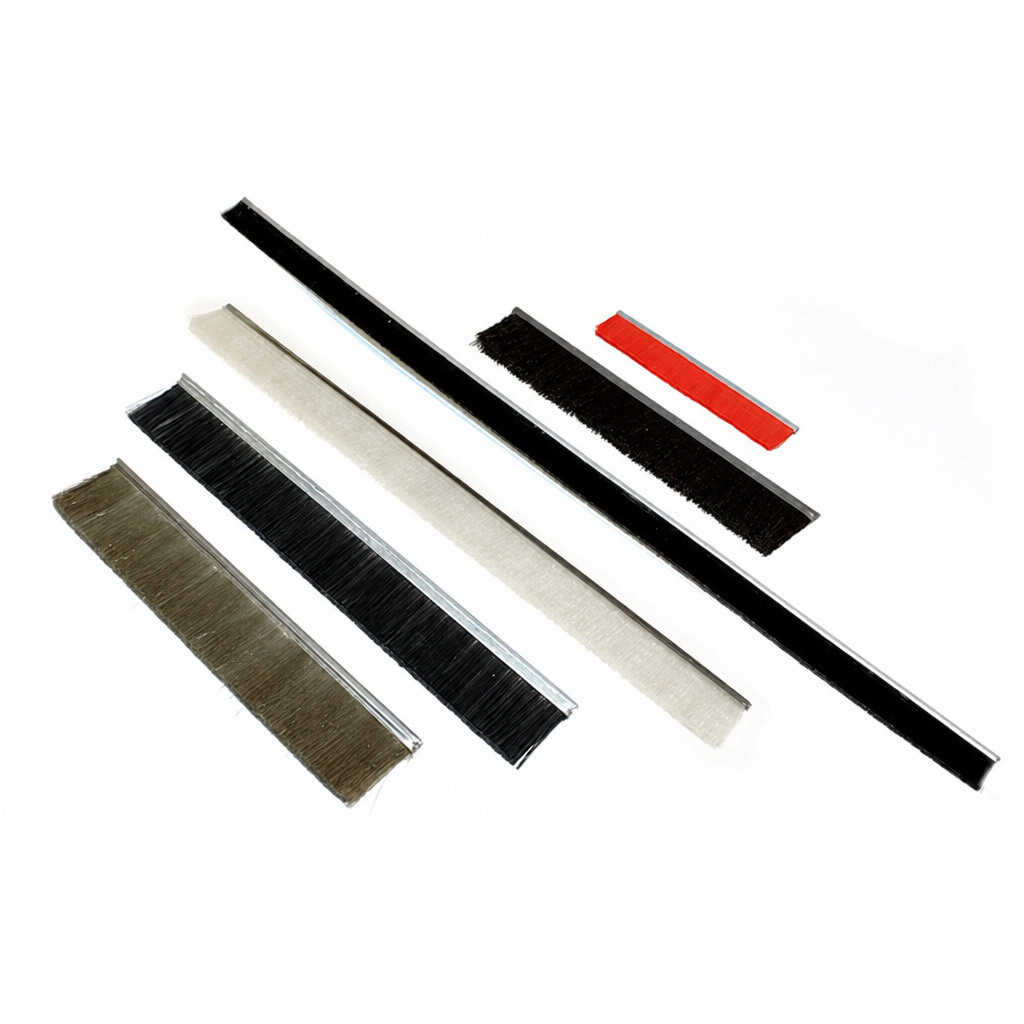
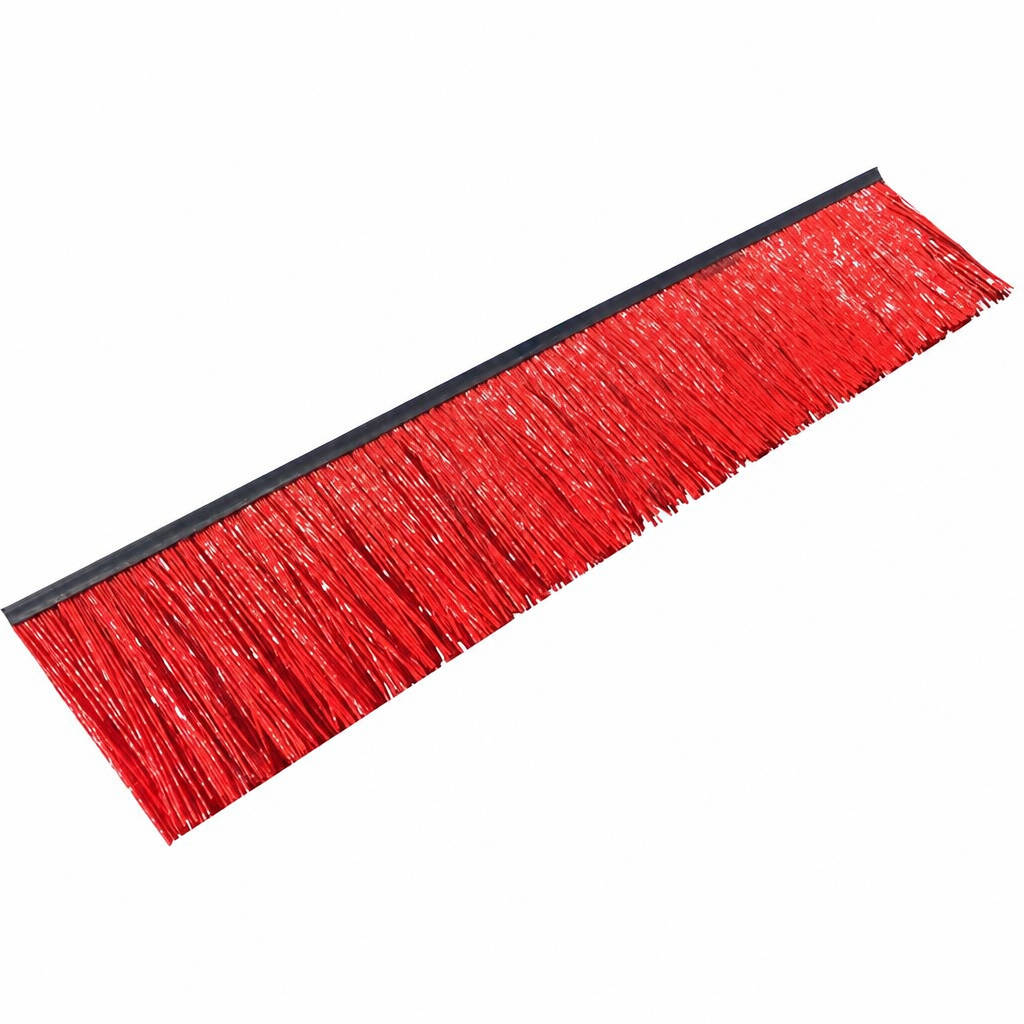
Every installation is different. Brush length, backing profile, filament density, and mounting position all influence the final result. Some applications require the durability of a Metal Strip Brush, while others benefit from a softer Door Strip Brush or a Sealing Strip Brush designed to reduce dust and airflow without increasing operating resistance. Selecting the right combination helps equipment run cleaner, quieter, and with fewer interruptions.
Small Design Changes Can Have a Big Impact
Strip brushes are often treated as replacement parts, but their design directly affects equipment performance. A brush that is too short leaves gaps. One that is too stiff creates unnecessary friction. Excessive filament density can increase resistance, while insufficient density reduces sealing effectiveness. Small adjustments in brush construction can change how a machine performs over thousands of operating cycles.
For this reason, strip brushes are usually selected around the equipment rather than the other way around. The available installation space, the direction of movement, operating speed, and the surrounding environment all influence the final specification.
Built for Different Working Environments
Industrial equipment places different demands on strip brushes. In clean production areas, the priority may be keeping dust away from sensitive components. In woodworking facilities, brushes help contain chips and sawdust around processing equipment. Packaging lines use strip brushes to guide cartons and reduce product movement, while loading doors rely on flexible brush seals to limit drafts and airborne debris.
These applications may look completely different, but they all rely on the same principle—maintaining consistent contact while allowing movement. That balance is one of the reasons an Industrial Strip Brush remains a practical solution across so many industries.
Material Selection Matters
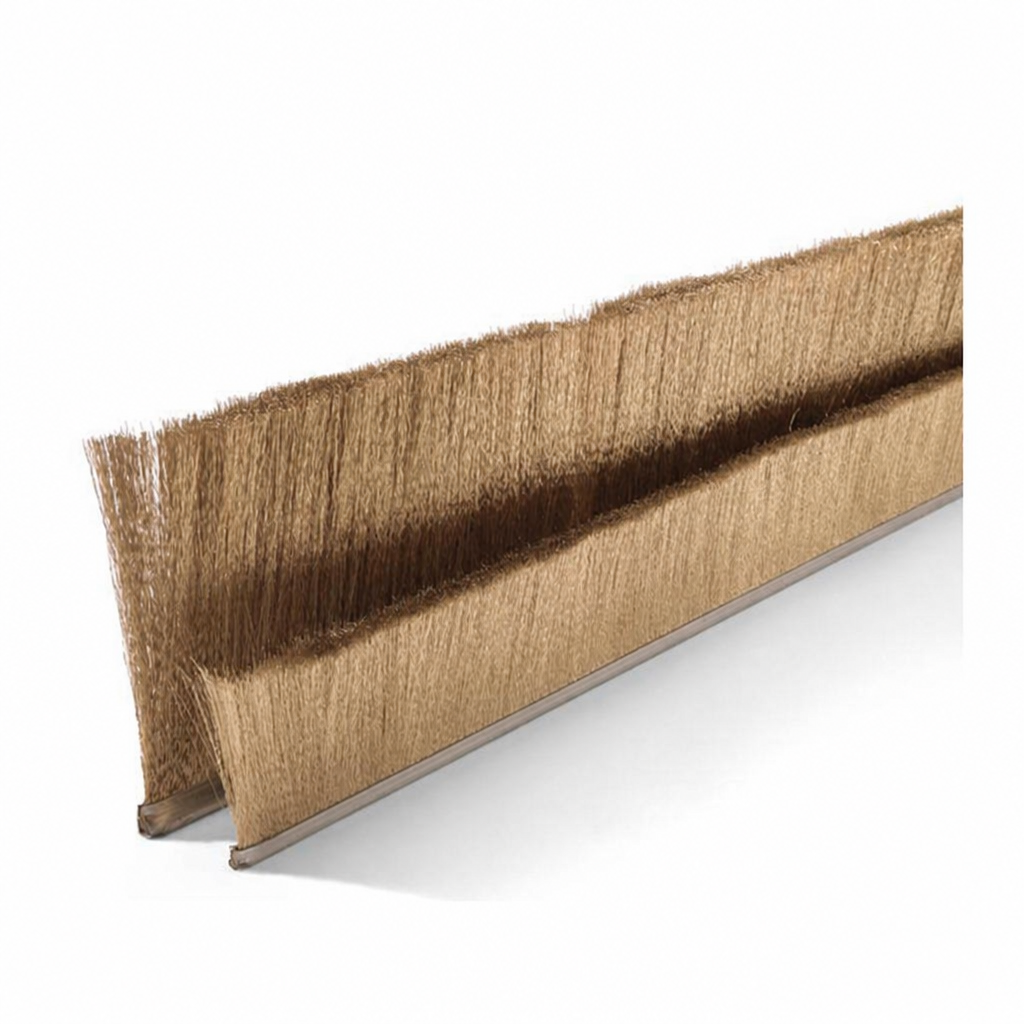
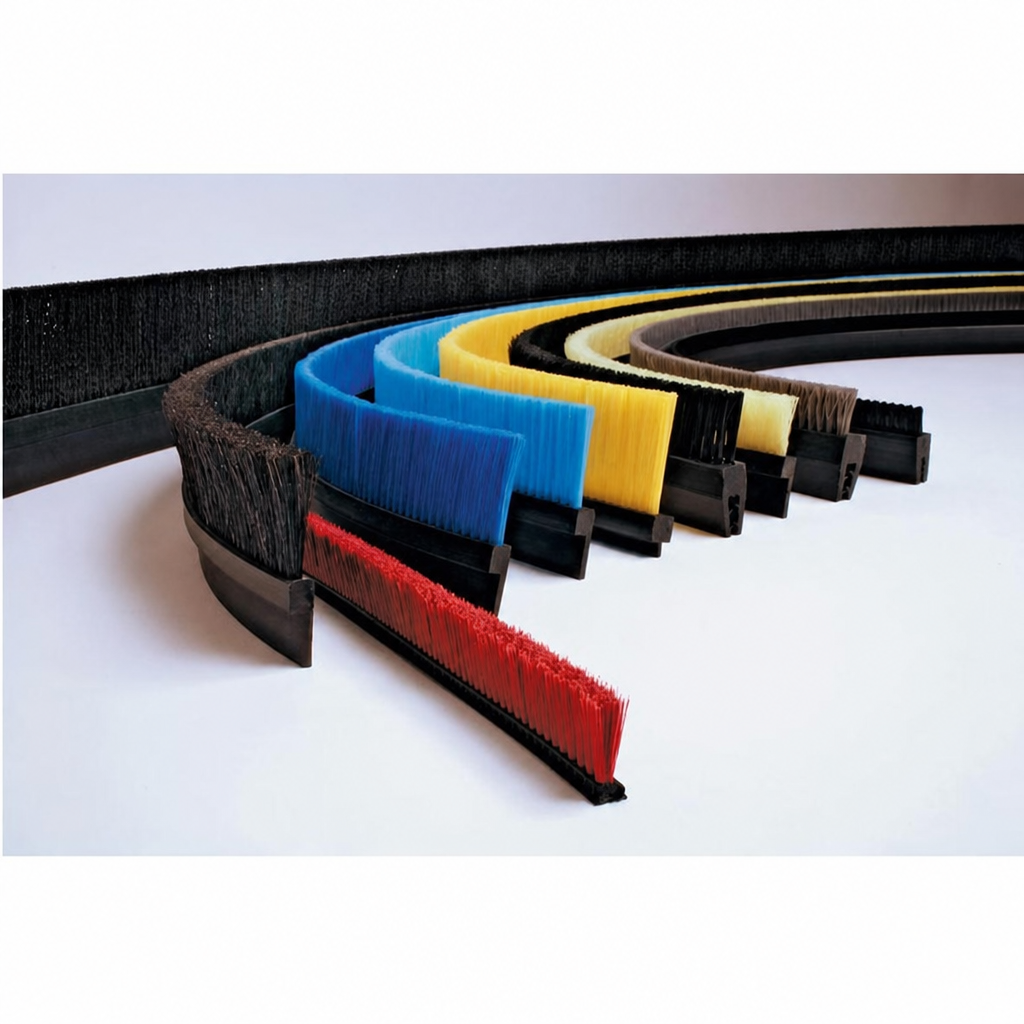
Brush performance depends as much on the filament as it does on the overall design. Nylon is widely used where smooth contact and long service life are important. Steel wire is chosen for applications involving scale, rust, or heavier contamination. Stainless steel performs well in environments where corrosion resistance is essential, while polypropylene offers good chemical resistance for certain processing conditions.
The backing material also plays an important role. A Metal Strip Brush provides greater structural stability for demanding industrial installations, while lighter constructions are often preferred where weight or installation flexibility is a consideration.
Selecting materials based on the working environment helps reduce wear, extend replacement intervals, and improve overall equipment reliability.
Made Around the Equipment
No two production lines are exactly alike, which is why strip brushes are frequently manufactured to match specific equipment rather than standard catalogue dimensions.
At Eleven Point Brush, many projects begin with a drawing, a worn brush, or a photograph of the installation. From there, dimensions, backing profiles, filament materials, and mounting details are refined to match the application instead of forcing customers to modify their equipment.
A Custom Strip Brush can improve sealing around moving assemblies, protect precision components from contamination, guide products through production lines, or replace discontinued brush designs used on older machinery. The goal is not simply to supply another brush, but to produce a component that fits correctly, performs consistently, and supports reliable operation over the long term.